
Kalash May Festival 2025: Your Complete Guide to Chilimjusht in Chitral
May 04, 2026
Chitral Hive
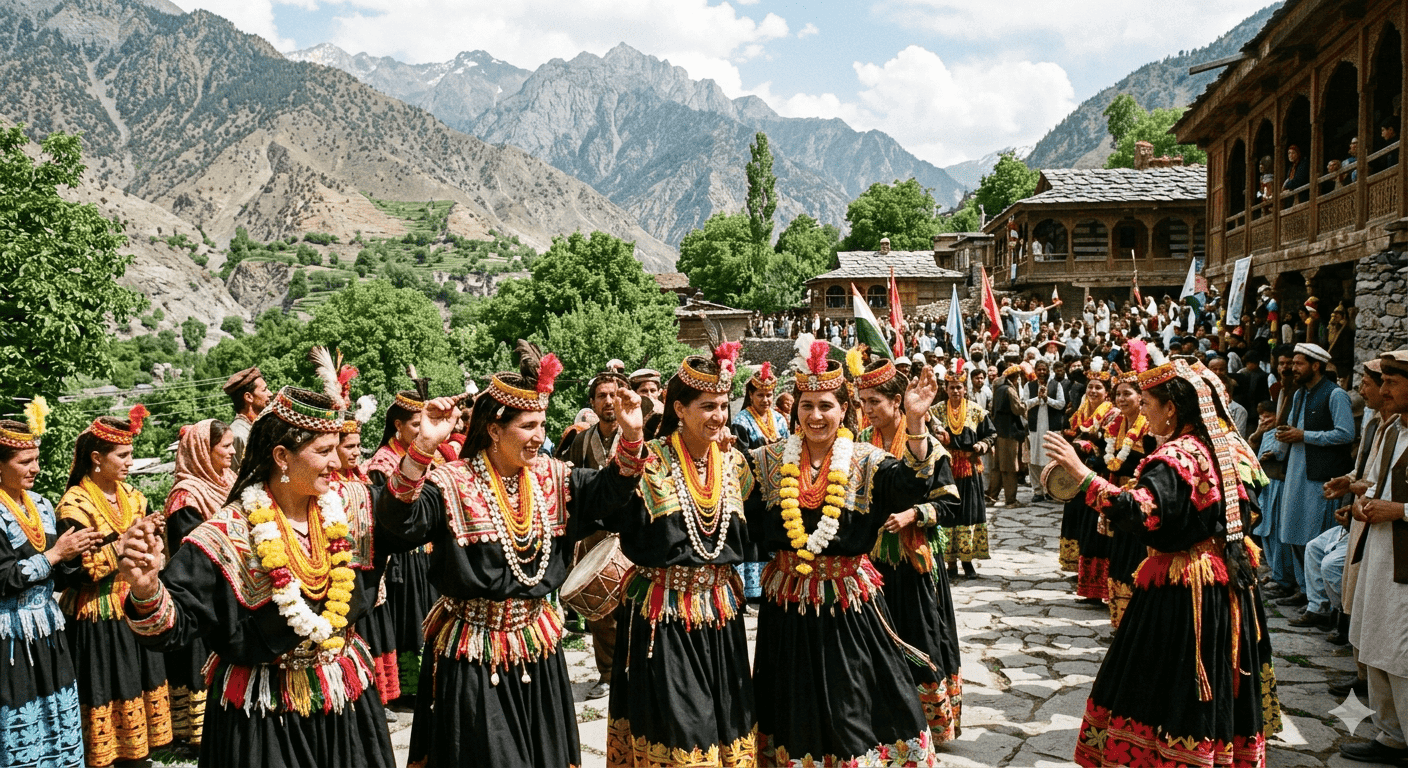
What is the Kalash May Festival (Chilimjusht)?
Chilimjusht (also spelled Joshi in some regions) is the spring festival of the Kalash people, celebrated every year in mid-May across the three Kalash valleys — Bumburet, Rumbur, and Birir. It is one of the three major festivals in the Kalash calendar, alongside Uchaw (autumn) and Choimus (winter).
The word "Chilimjusht" roughly translates to the celebration of new milk — a tribute to the herds returning from the winter pastures and the promise of abundance ahead. For the Kalash, it is not just a party; it is a deeply spiritual act of gratitude to their gods, particularly Dezau, the creator deity.
When is the Kalash May Festival 2025?
Chilimjusht 2025 is expected to be celebrated around May 13–16, 2025. The exact dates shift slightly each year based on the traditional Kalash calendar, so it is advisable to confirm locally through the Chitral District Tourism office or with your hotel a few days before traveling.
Where is the Festival Held?
The festival takes place in all three Kalash valleys in Chitral district, Khyber Pakhtunkhwa:
- Bumburet Valley — the largest and most accessible, most popular with visitors
- Rumbur Valley — quieter, more intimate experience
- Birir Valley — the most traditional and least visited; considered the most culturally conservative
Bumburet is typically the best choice for first-time visitors due to its facilities and transport links.
Kalash May Festival Traditions & Rituals
1. Songs and circular dancing (Dushak)
Groups of Kalash women, dressed in their iconic black robes embroidered with colourful beads and cowrie shells, form circles and sing ancient songs passed down through generations. The music is hypnotic and joyful — played on hand drums and flutes.
2. First milk offerings
Fresh milk from the returning herds is offered at the sacred altar. Elders perform prayers and blessings, giving thanks for the animals' safe return and asking for continued prosperity.
3. Feasting and community gathering
Families prepare traditional Kalash bread and dishes, and homes are opened to guests and neighbours. The spirit of the festival is deeply communal — a reminder that survival in these high valleys has always depended on togetherness.
4. Traditional dress
Chilimjusht is the best time to see the full splendour of Kalash dress. Women wear shushot (headdresses adorned with shells and pompoms) and layered bead necklaces that can weigh several kilograms. Men wear simpler white and grey garments.
5. Bonfires and night celebrations
As the sun sets behind the Hindu Kush, bonfires are lit and the singing continues into the night. The atmosphere is magical — stars overhead, drumbeats echoing off the valley walls.
Why the Kalash Festival Matters
The Kalash are one of the world's smallest indigenous communities, numbering only around 3,000 to 4,000 people. Their religion — a form of ancient paganism with roots possibly linked to pre-Zoroastrian or even Indo-Aryan belief systems — is unique in the Muslim-majority region. Chilimjusht is not merely tourism; it is an act of cultural survival. By attending respectfully, visitors contribute to an economy that helps the Kalash sustain their way of life.
How to Get to the Kalash Valleys from Chitral
The Kalash valleys are located approximately 35–40 km south of Chitral city. Here is how to reach them:
- By air: Fly to Chitral Airport (CJL) from Peshawar or Islamabad (PIA operates seasonal flights). Book well in advance during festival season.
- By road: Drive from Islamabad via Dir and the Lowari Tunnel — approximately 8–10 hours. Roads are well-maintained as far as Chitral; the final stretch into the valleys is on mountain tracks.
- From Chitral city: Hire a local jeep or shared transport to Bumburet (around 1–1.5 hours).
Where to Stay During Chilimjusht
Accommodation fills up extremely fast during the Kalash May Festival. Book at least 4–6 weeks in advance. Options include:
- Guesthouses in Bumburet — basic but comfortable, run by local families
- PTDC Motel, Ayun — slightly outside the valley, more comfortable facilities
- Chitral city hotels — for those who prefer urban comforts and want to day-trip into the valleys
Travel Tips for Visiting the Kalash Festival
- Always ask permission before photographing Kalash individuals, especially women
- Dress modestly — shoulders and knees covered — out of respect for the community
- Do not enter sacred spaces (bashali) unless invited
- Carry cash — ATMs are unreliable in the valleys
- Bring warm layers even in May — temperatures drop sharply at night
- Buy handicrafts and souvenirs directly from Kalash artisans to support the local economy
- Alcohol is consumed by Kalash at festivals but visitors should be mindful of local Pakistani laws
Best Time to Visit Chitral for the Kalash Festival
Mid-May is the sweet spot — the Lowari Tunnel ensures year-round access, the weather is mild (15–22°C in the valleys), wildflowers are in bloom, and the festival energy is at its peak. Arrive a day early to settle in and connect with the community before the main celebrations begin.
Frequently Asked Questions
Is the Kalash May Festival open to tourists?
Yes. Chilimjusht is open to visitors. The Kalash welcome respectful guests and tourism provides vital income for their community.
Do I need a special permit to visit the Kalash valleys?
Foreign nationals need a No Objection Certificate (NOC) obtainable from the District Commissioner's office in Chitral or through a registered tour operator. Pakistani citizens do not require special permits.
How long should I plan to stay?
A minimum of 3 nights in the Kalash valleys allows you to experience the full arc of Chilimjusht. Add 1–2 extra days to explore the broader Chitral valley.
Is it safe to travel to Chitral for the festival?
Chitral is considered one of the safest districts in KPK for tourists. The Kalash valley communities are exceptionally welcoming. Always check current travel advisories from your government before traveling.
What are the other Kalash festivals I can attend?
The Kalash calendar has three major festivals: Chilimjusht (May), Uchaw (August), and Choimus (December). Choimus, the winter solstice festival, is widely considered the most elaborate and sacred.
Final Thoughts
The Kalash May Festival is not just a travel experience — it is a rare window into a civilization that has survived against overwhelming odds. The laughter of Kalash children, the ancient songs of women in the valleys, and the warmth of a community that opens its doors to the world make Chilimjusht one of Pakistan's most precious cultural treasures.
At Chitral Hive, we believe that responsible, informed tourism is one of the most powerful ways to help the Kalash people thrive. Come with an open heart, a respectful eye, and the willingness to be changed by what you witness.
Plan your Chitral trip with Chitral Hive — your local guide to the people, places, and festivals of Pakistan's most extraordinary valley.